Worksite evaluation
Ergonomic Assessments
Our certified ergonomics assessment specialist completes worksite evaluations to recommend tools, equipment and work behavior modification to keep employees working safely and productively.
An evaluation, not a comfort check
An ergonomic assessment is a claims-cost instrument before it is anything else. Our certified specialist visits the actual worksite where the work happens, not a description of it, and looks at how a task is set up against how the body doing it actually moves: reach distances, repetition, load, posture over a full shift, the tools already on hand and whether they fit the job or were just what was available. The output is a written set of recommendations, not an opinion delivered on the spot, so it can be handed to a supervisor and acted on the same way a job analysis is.
What you get to act on
You receive specific recommendations, not general advice: which tool or fixture to change, which task to rearrange, and which behavior to modify, tied to the worksite our specialist actually walked. An assessment is worth commissioning both proactively, on a job that has produced more than one similar injury, and reactively, as part of getting an injured employee back to a modified role that will actually hold up over a full shift.
BridgeMark — Washington State only. We represent employers, not insurers and not claimants. Call 253-293-8878.
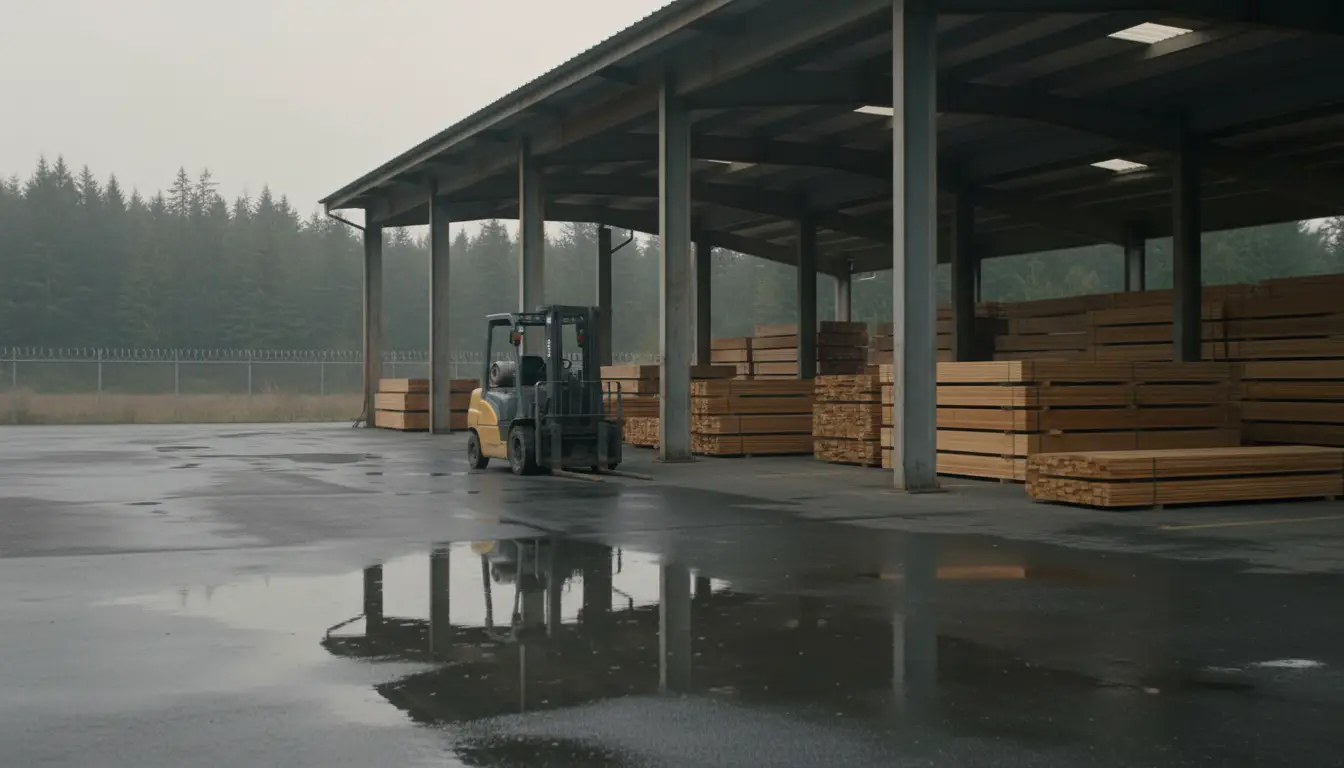
Set-up, not sympathyThe same injury twice is a set-up problem, not a bad-luck problem.
What a worksite evaluation actually looks at
Most workplace injuries that repeat are not caused by one bad moment. They come from a task that was set up a particular way, once, and then never revisited even as the people doing it changed. A worksite evaluation exists to catch that. It is not a walkthrough with a clipboard and a nod. It is a specific look at how a task loads a body over a full shift, and whether the equipment on hand actually supports the way the job is performed or was simply what happened to be there when the station was first set up.
Treating this as a comfort exercise misses why an employer commissions it. A claim that stems from a preventable setup issue costs more than the fix would have, and it is a claim that can recur on the next person to hold the same role. An evaluation turns that pattern into a written recommendation an employer can actually act on, whether that means a different tool, a rearranged task, or a modification to how the work is done.
On-siteEvaluated where the work happensOur certified specialist visits the actual worksite, not a description of the task relayed secondhand.
RecommendationWritten, specific, actionableTools, equipment and work behavior modifications are recommended in writing, in a form a supervisor can implement.
When to use itProactive or return-to-workUseful before an injury pattern repeats, and useful in shaping a modified role that will actually hold up over a full shift.
We do not publish findings or figures from past evaluations here. Every worksite is different, and a real recommendation only comes from an assessment of your own.