What an Ergonomic Assessment Actually Changes on a Real Worksite
The point is not a nicer chair. The point is identifying the exact motion that is going to generate the next claim.
September 1, 2026 · 3 min read
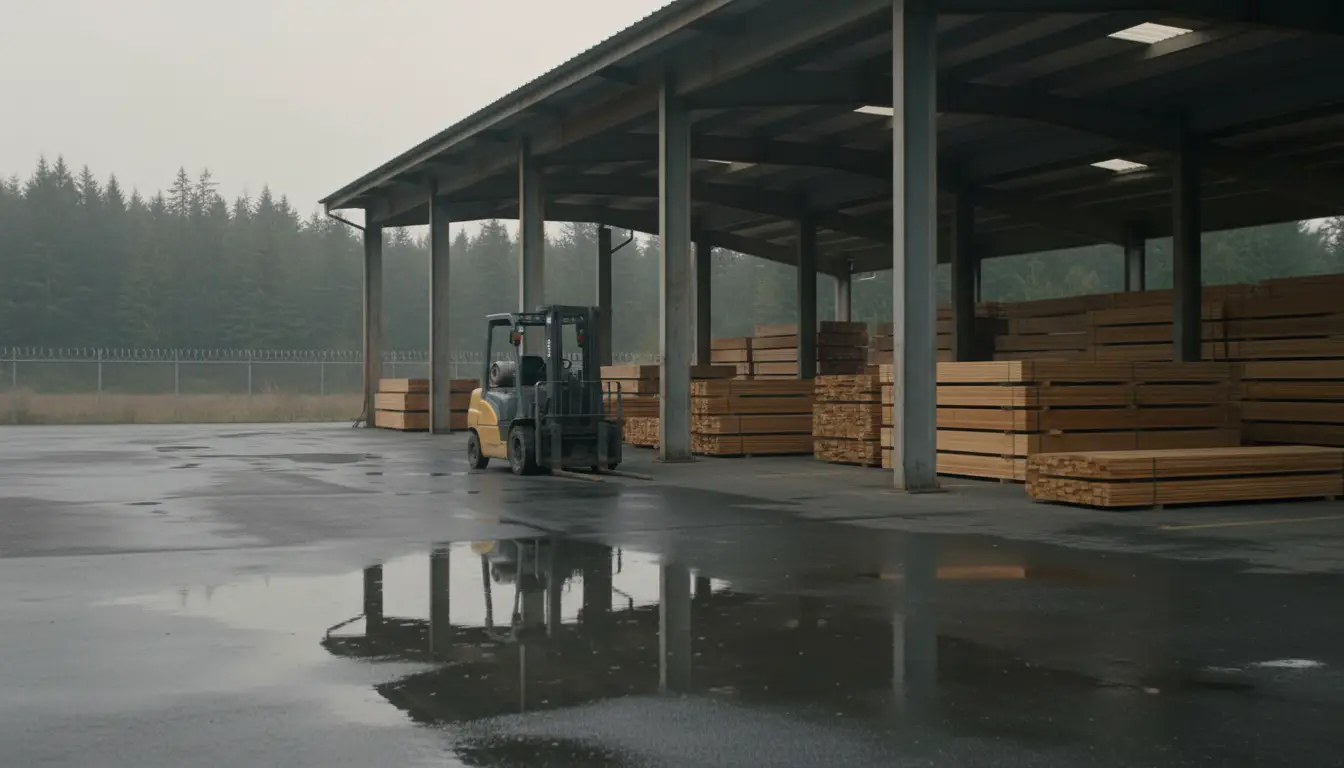
Ergonomic assessments have a reputation problem. Mention one to a shop floor supervisor and the mental image that comes back is an adjustable chair and a wrist rest, something closer to office comfort than claims prevention. On an actual industrial or manual worksite, a real assessment is doing something closer to forensic work: watching how a specific job gets done, repeatedly, and identifying which of those repeated motions is the one most likely to produce the next soft tissue claim.
What the assessment is actually looking for
A certified ergonomics assessment specialist evaluates a worksite for the tools being used, the equipment available, and the work behaviors employees have developed, often informally, to get a task done. Some of those informal adaptations are fine. Some of them are exactly the kind of repeated strain that shows up months later as a shoulder or low back claim that could have been prevented with a different tool, a different reach height, or a different sequence of steps.
The output of a real assessment is not a generic recommendation list pulled from a template. It is specific to the job as it is actually performed at that site: this tool instead of that one, this work height instead of that one, this rotation of tasks instead of eight hours in the same posture.
Where the risk usually hides
Across most manual and industrial trades, the pattern is less about a single dangerous task and more about accumulation. A lift that is well within a worker's capacity done once becomes a real risk done fifty times a shift, especially if the reach or the twist involved adds strain that a single lift would not. Workers themselves are often the last to flag it, because a task that has always been done a certain way stops registering as a decision at all, it just becomes how the job is done. An outside evaluation catches what daily familiarity stops noticing.
Employee turnover compounds this in a different way. A workaround one experienced worker developed to protect their own back does not automatically transfer to the next person in that role, and a worksite that looked fine on paper can quietly become higher risk as staffing changes without a single piece of equipment being altered.
Shift patterns add another layer that is easy to miss from a single walkthrough. A task that looks manageable observed for twenty minutes in the middle of a shift can look very different at hour seven, when fatigue has already changed how carefully a worker is moving. A meaningful assessment accounts for that, rather than judging a role purely on how it looks under fresh, well rested conditions, which is rarely when an injury actually happens.
Why this is a cost tool, not a comfort exercise
The connection to your claims history is direct. Repetitive strain and overexertion claims are among the most common categories in Washington workers' compensation, and they are also among the most preventable through worksite change rather than after the fact treatment. An assessment that catches the motion before it produces a claim is doing the same job as case management on an open file, just earlier in the process and cheaper to run.
Where this fits alongside an open claim
An assessment is also useful in the other direction, after an injury rather than before one. If a worker is coming back to modified duty, the same worksite evaluation that identifies risk can confirm whether the light duty role actually matches what a treating provider approved, and whether the workstation itself needs adjustment to make that return realistic rather than a paper exercise that fails in week two. The same eye that spots the motion likely to cause the next injury is well placed to spot whether a returning worker's modified tasks are genuinely lighter or only lighter on paper.
BridgeMark's certified ergonomics assessment specialist completes these worksite evaluations and recommends the tools, equipment, and work behavior modifications that keep employees working safely and productively, whether the goal is preventing the next claim or supporting a worker already on the way back. If you have had more than one claim from the same job or the same line, that pattern is usually the signal an assessment is overdue, not a coincidence. Call 253-293-8878, Monday through Friday, 8am to 5pm, to talk through what a worksite visit would look like.
BridgeMark Claims Services — 253-293-8878
Call 253-293-8878More articles
What Actually Has to Be True Before a Light Duty Job Offer Holds Up
The job analysis behind the offer has one legal author, and it usually is not the supervisor who drafted the letter.
Why a Claim Nobody Is Pushing Stays Open
Claim managers carry hundreds of files at once. The ones that move are usually the ones somebody is calling about.